
The complete guide
A Buyer's Guide to White Tent Place Cards
A small card that answers a useful question
Guests arriving at a reception often have one simple question. Where should I sit? A table plan can point them towards the right table, while a place card shows the seat you have chosen for them.
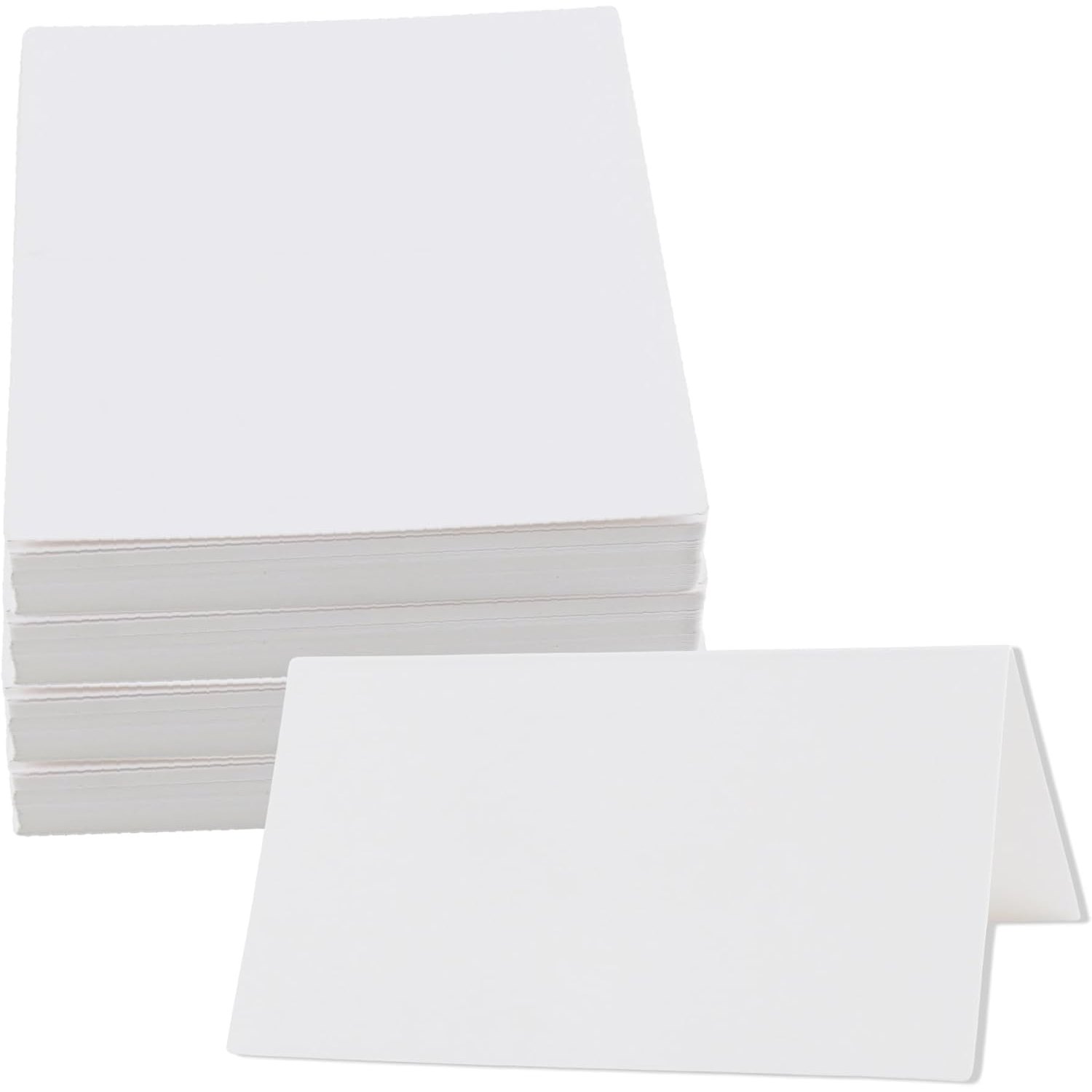
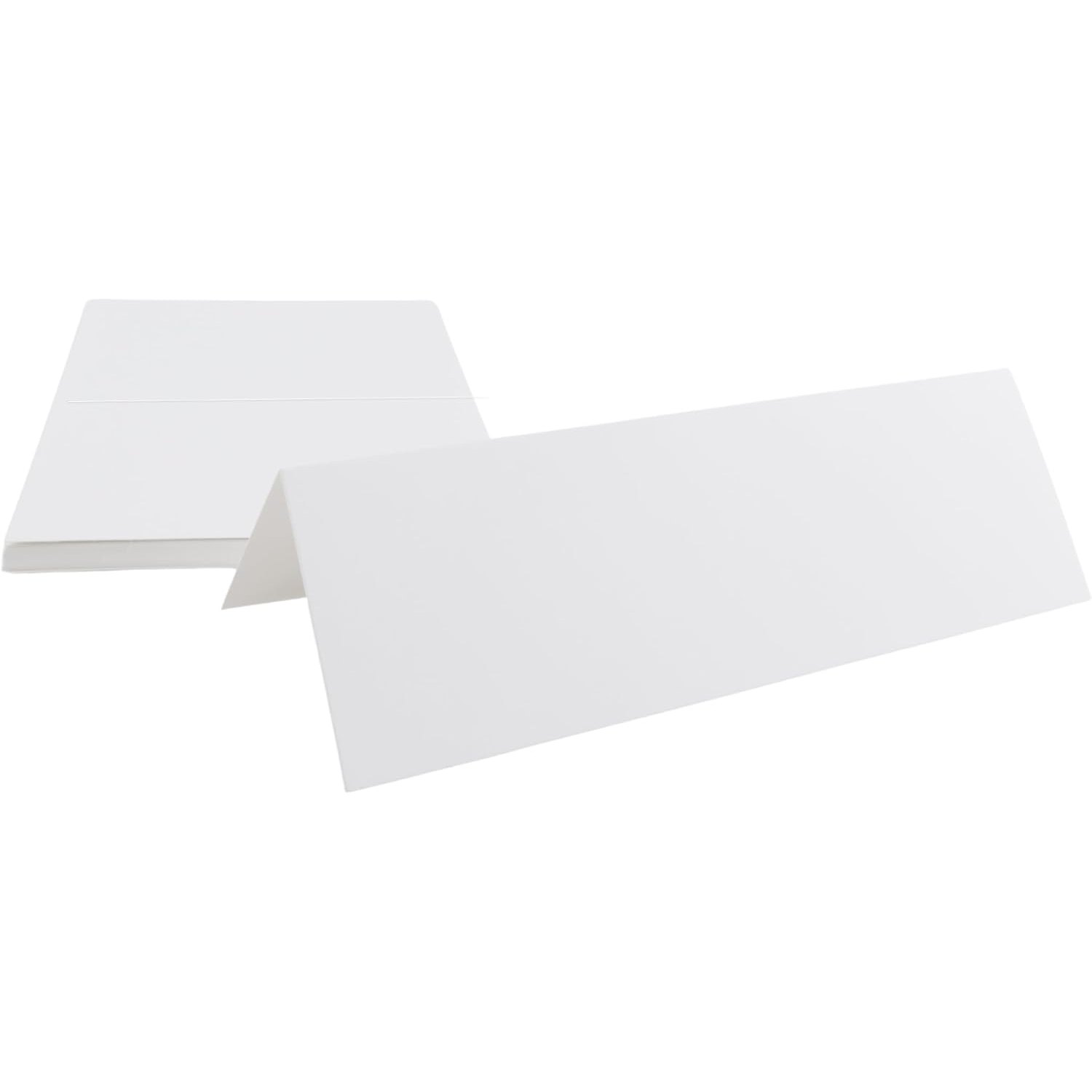
These white tent place cards give you a blank surface for each guest's name. There are 160 paper cards in the pack, each measuring 2 by 3.5 inches when folded. You add the writing, fold the card and set it in position.
The format is simple, but it still pays to plan before buying. Guest numbers, handwriting size and the space around each plate all affect whether a card suits your setup. Start with those practical details rather than choosing stationery on appearance alone.
How the tent format works
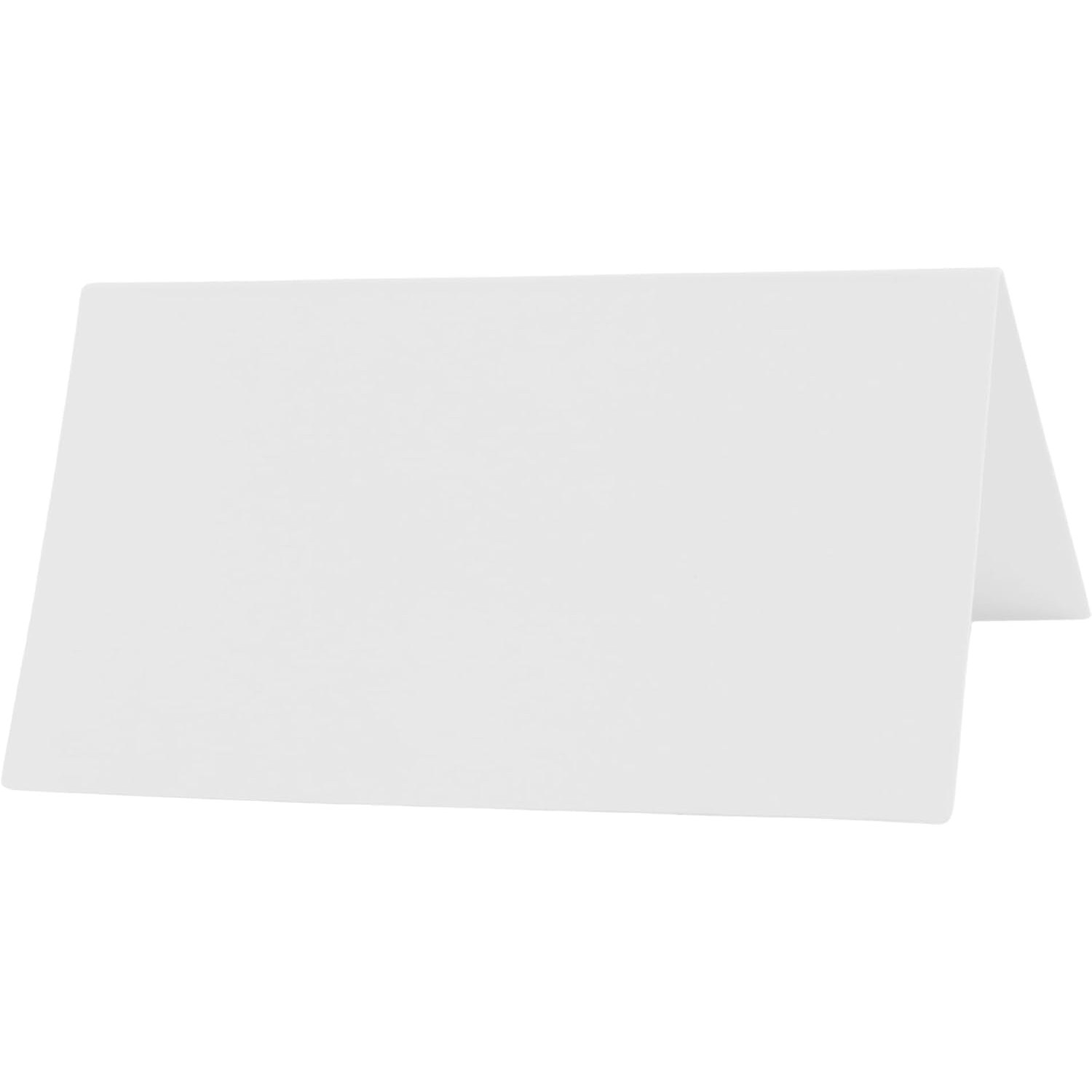
A tent card folds across a scored line to make two panels. The folded shape stands without a separate holder, so you do not need to add a stand to each place setting.
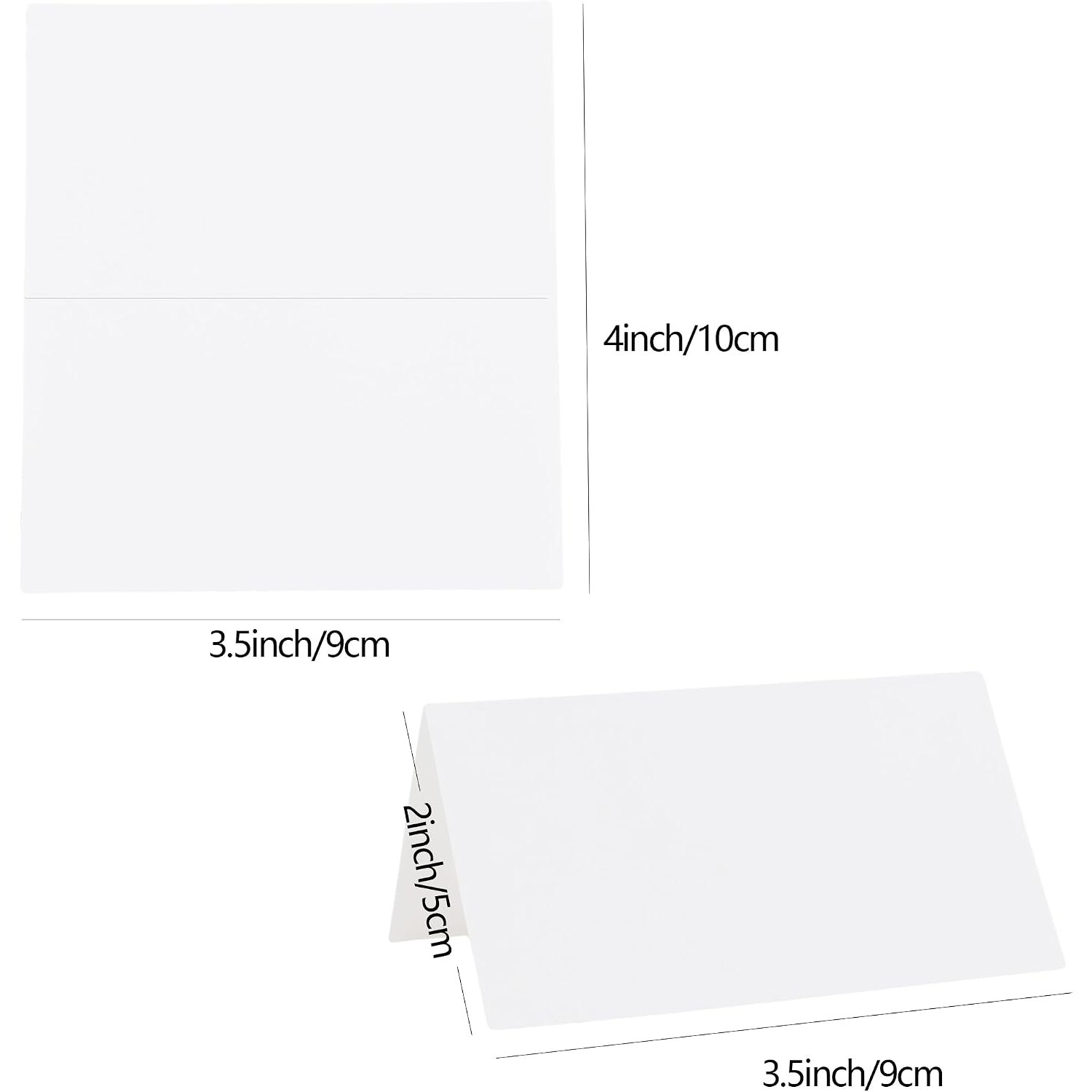
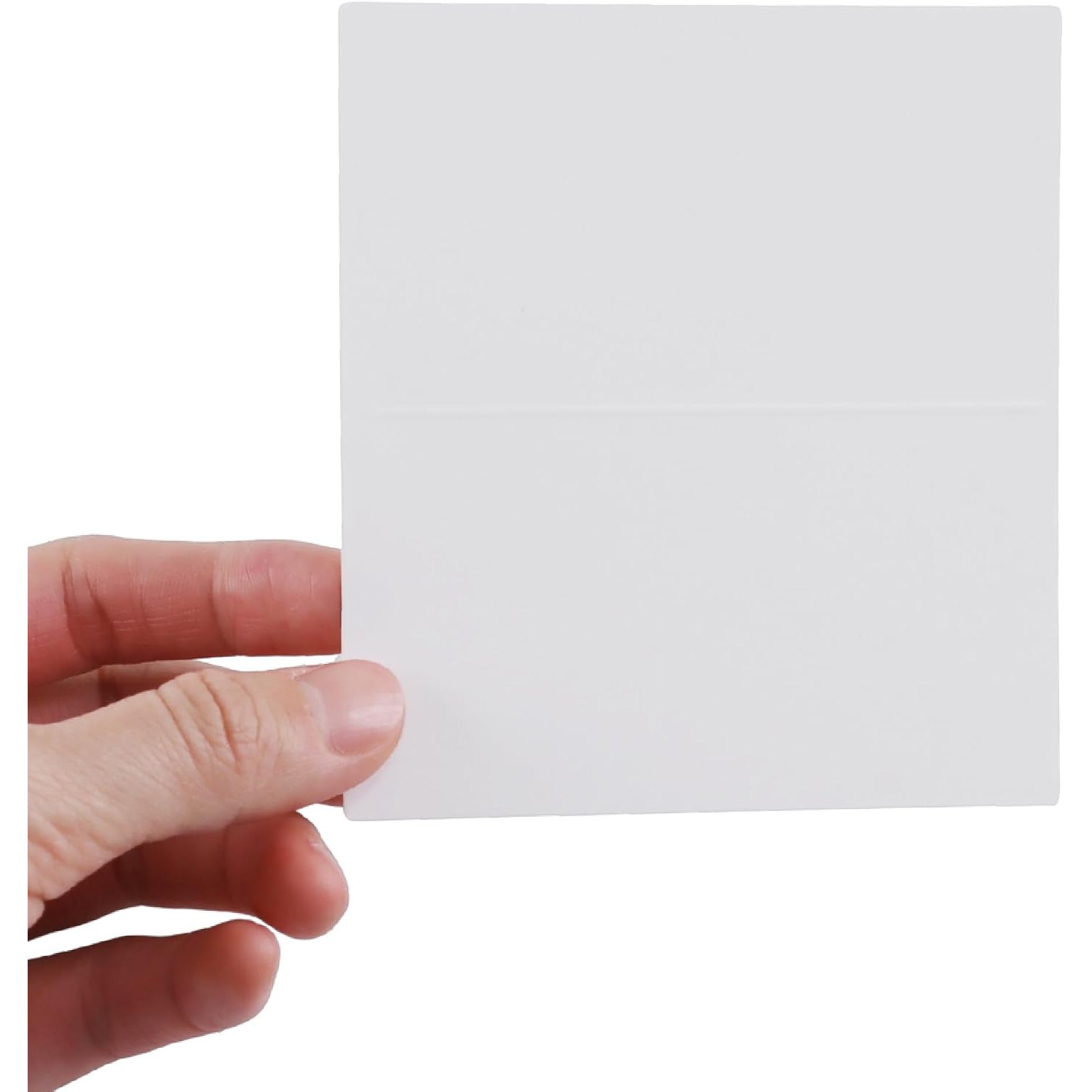
Each card in this pack measures 4 by 3.5 inches unfolded. Once folded, the visible face measures 2 by 3.5 inches. That is the area to use when planning the main guest name or short label.
Before writing the full set, fold one sample and look at it from the guest's side of the table. It is easy to write on the wrong panel when working with flat cards. A sample gives you a reference for the writing direction and the position of the fold.
Freestanding does not mean suitable for every condition. Wind resistance is not stated, so do not assume the cards will stay in place at an outdoor venue.
Who these cards suit
Wedding receptions are one use for these blank seating cards. They let you assign individual seats rather than leaving guests to choose a place once they reach their table. This can help when you have made a detailed seating plan.
They can also be used as dinner party place cards or for names at corporate gatherings. The same blank format lets you change the wording to suit the occasion. There is no preprinted event message to work around.
For a smaller gathering, you may have cards left after writing the guest names. Store those flat for another event rather than preparing more than you need.
These are cards to write yourself. If you need supplied printed names, a particular typeface or a finished stationery service, those are not included in this pack.
Work out how many cards you need
Count one card for every guest who needs an assigned seat. Then allow for cards used during testing and any names that may need to be rewritten.
A pack of 160 covers 160 seats only if every card becomes a finished guest card. If your guest count is close to that number, think about how you will handle mistakes or late changes. Spare cards are useful when a name spelling changes after the main set has been written.
Count other uses separately. A few short table labels may seem like a small addition, but they still come out of the same pack.
Keep your count tied to the latest seating list. Writing from an older version can leave you with duplicate names and missing cards, even when you ordered enough to begin with.
Check the size against your table layout
The folded size is 2 by 3.5 inches. Before ordering, mark out a paper sample of that size and place it beside the items you plan to use on the table.
Consider where the name will be easiest to see. A menu, folded napkin or favour could cover part of the card if everything is placed close together. Moving the card slightly may solve the problem without changing the rest of the setting.
Check the view from a seated position as well as from above. Table layouts are often planned while standing, but guests will read much of the stationery while sitting down.
If you intend to use these as table-number cards, think about viewing distance. A small card beside a plate serves a different purpose from a number that guests need to spot across a room.
Choose writing that guests can read
The uncoated paper surface can be used with pens, markers and calligraphy tools. The choice of tool affects how much space each name takes and how long the ink needs to dry.
Start with one spare card. Write a short name and your longest guest name in the style you plan to use. Check whether both are easy to read without squeezing the letters together.
For handwritten place cards, clear lettering is more useful than a complicated style that leaves guests guessing. You can still use decorative lettering, but give the actual name enough space.
Test the pen you will use, not just a similar one. Ink behaviour can vary. The maker does not specify printer compatibility, so do not assume these cards can be fed through your printer.
Keep decoration clear of the name
White wedding stationery gives you a blank starting point, but it does not need a lot of added detail. A guest name on its own may be enough for the place setting.
If you want to add artwork or a small motif, sketch the layout on a sample first. Leave the main name area clear and keep important writing away from the fold.
The unfolded size can be useful while planning, but remember that the whole surface will not face the guest once folded. Design for the finished tent shape rather than treating the card as one flat sign.
For bilingual wording or longer labels, test the full text before preparing the set. The available space stays the same, even when the message grows. Shortening a label may be more readable than making every letter smaller.
Prepare the cards in a manageable order
Wait until the guest list is reasonably settled before writing the final cards. You can test pens and practise lettering earlier without committing the whole pack to a draft seating plan.
Work from one checked list. Confirm spellings, including accents and preferred names, before you begin. If two guests share a first name, decide how you will distinguish their cards.
Prepare the cards in small batches so that written surfaces have room to dry. Avoid stacking them straight after writing, even if the ink appears dry at a glance.
Once finished, sort your reception place cards by table or another order that makes sense for setup. Keep a current seating list with them. This helps the person placing the cards match each name to the right seat.
Store and transport them with care
Paper cards should be kept dry and protected from spills. Store unused cards flat, away from anything that might bend or mark them.
Let all writing dry before packing completed cards. If you plan to transport them flat, keep your folded sample as a reminder of the intended orientation. Fold and check each finished card before placing it at the venue.
Avoid leaving the cards on a damp preparation surface. A clean, dry area gives you room to sort names without exposing the paper to moisture.
There is no waterproof rating in the maker's description. For a venue where damp tables or weather could be a concern, discuss the setup conditions before relying on paper table cards.
Allow time for delivery and preparation
Delivery is Australia only. We dispatch within 2 working days, and delivery then takes up to 7 working days by tracked courier. Order well ahead of the wedding date rather than treating delivery day as your writing day.
Leave room in your schedule to inspect the pack, test your chosen pen and complete the names. A large guest list can take several writing sessions, especially if you are using detailed lettering.
Check the size and quantity before starting work. Change of mind returns are accepted within 14 days of delivery when the item is unused and in its original packaging, with return postage paid by the customer.
Faulty or damaged items are put right under the Australian Consumer Law. If something arrives wrong, contact us with the order details so the issue can be addressed.
The short version
This pack provides 160 blank white paper tent cards. They measure 2 by 3.5 inches folded, have an uncoated writing surface and stand without separate holders when folded along the scored line.
Choose them if you want to write your own guest names or short table labels. Check the size against your setting, allow spare cards for corrections and test your pen before completing the pack. A little planning makes the writing and table setup easier to manage.